
Bbdbuy Finds
Spreadsheet
OVER 5000+
WITH QC PHOTOS
Click the images below to browse!






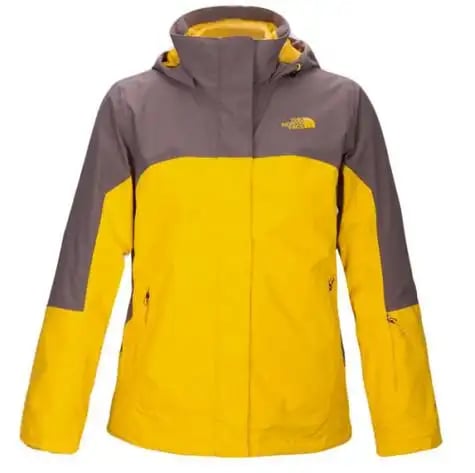


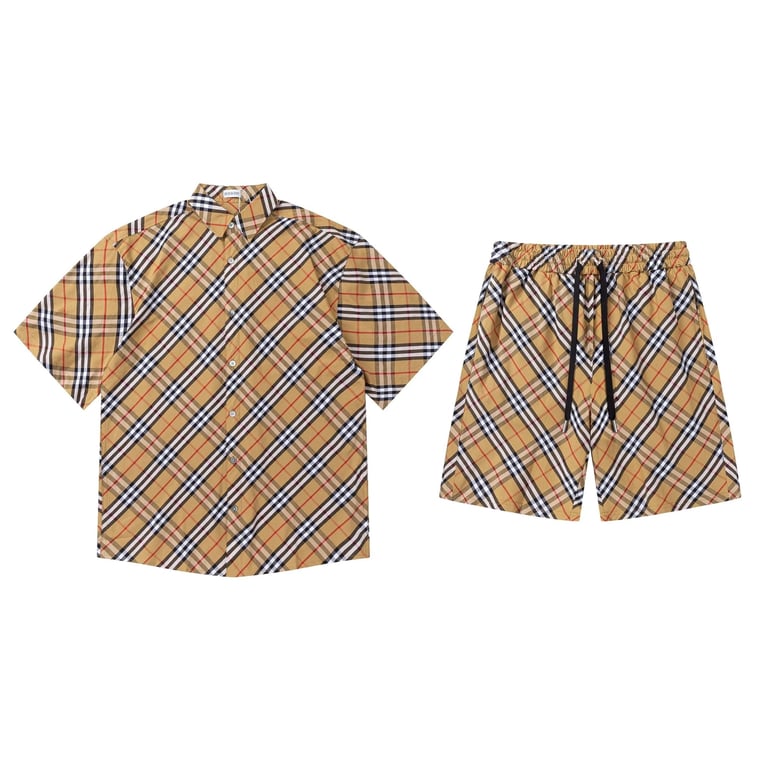

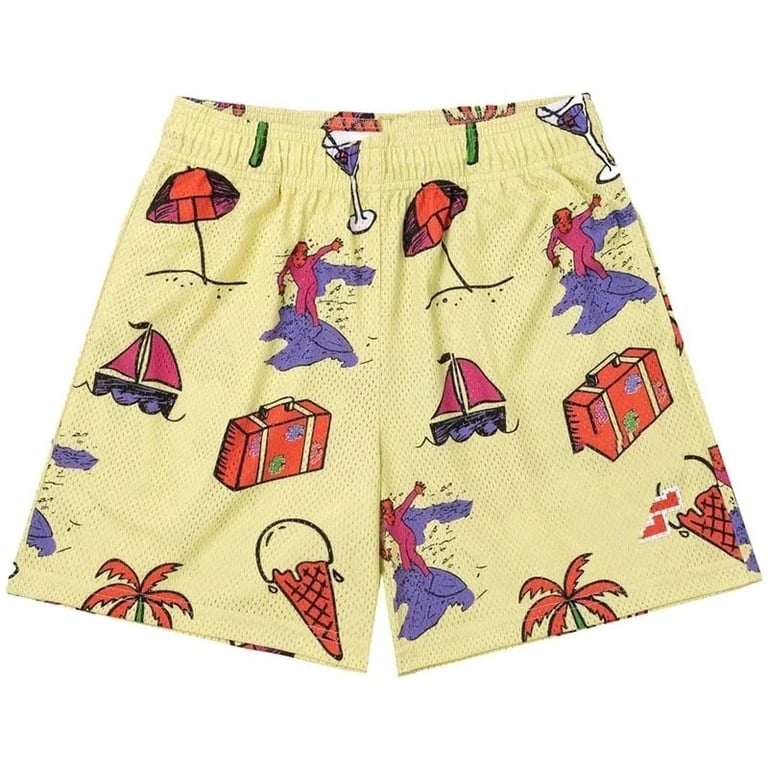



Bbdbuy spreadsheet global catalog system explanation
The global ecommerce supply chain has become increasingly fragmented, with products, suppliers, and pricing information scattered across multiple platforms. For new and intermediate cross-border sellers, this fragmentation creates a major challenge: finding a structured way to evaluate products efficiently without spending excessive time on manual research.
The Bbdbuy spreadsheet global catalog system was developed as a structured solution to this problem. Instead of functioning as a traditional marketplace, it organizes product data into a centralized spreadsheet format that aggregates listings from upstream supply sources such as 1688-based suppliers and micro-store networks.
This structure transforms unorganized product data into a readable, filterable system that is easier to navigate, compare, and act upon.
How the Bbdbuy spreadsheet system is structured
At its core, the Bbdbuy spreadsheet system is built around standardized product entries. Each entry follows a consistent format so that users can quickly interpret and compare information without needing to interpret different listing styles.
A typical product entry may include:
Product title and basic description
Supplier origin (commonly 1688 or verified micro-stores)
Price range or wholesale cost estimate
Category classification (fashion, home goods, electronics, etc.)
Availability or trend indicator
Direct access via Bbdbuy links
The key innovation is not just data collection, but data normalization. Instead of browsing inconsistent product pages across different suppliers, users see a unified structure that makes comparison significantly easier.
This approach is particularly useful in cross-border ecommerce, where language barriers and inconsistent supplier formats often slow down sourcing decisions.
Why structured catalog systems matter in global sourcing
In traditional ecommerce environments, product discovery often depends on keyword searches and manual filtering. While this may work for end consumers, it becomes inefficient for sellers who need to evaluate hundreds of potential products quickly.
The Bbdbuy spreadsheet system introduces a structured alternative. By organizing products into consistent rows and categories, it reduces cognitive load and allows users to focus on decision-making rather than navigation.
This structure is especially valuable for:
Dropshipping sellers evaluating product viability
Wholesale buyers comparing supplier pricing
Ecommerce operators testing new product niches
Beginners learning how global sourcing works
Instead of starting from scratch with every search, users can rely on pre-organized datasets that reflect sourcing logic rather than random listings.
The role of Bbdbuy links in the catalog system
One of the most important components of the system is the integration of Bbdbuy links.
These links function as direct access points between the spreadsheet data and supplier environments. Rather than requiring users to manually search for suppliers or re-enter product information, the links allow immediate navigation from catalog entry to sourcing page.
This creates a seamless transition from research to action:
Users identify a product in the Bbdbuy spreadsheet
They evaluate its basic sourcing information
They click Bbdbuy links to access supplier details
They proceed with inquiry or purchase decisions
This flow reduces friction in the sourcing process and eliminates unnecessary intermediate steps.
Practical advantages of using a spreadsheet-based catalog
The Bbdbuy spreadsheet model offers several practical advantages compared to traditional ecommerce browsing systems:
First, it improves visibility. Instead of hidden algorithm-driven listings, users see structured data that is not influenced by advertising ranking systems.
Second, it improves comparability. Because all products follow a standardized format, users can compare pricing, categories, and suppliers more efficiently.
Third, it improves scalability. As product databases grow, spreadsheets can be expanded without changing the core structure, making it easier to handle large inventories.
Finally, it improves speed. With integrated Bbdbuy links, users can move directly from discovery to supplier engagement in seconds.
How beginners typically interact with the system
For new users entering cross-border ecommerce, the Bbdbuy spreadsheet system often serves as an entry point into structured sourcing.
A typical beginner workflow looks like this:
Users begin by opening the latest spreadsheet catalog and scanning through major product categories. Instead of focusing on individual keywords, they browse structured sections such as fashion, home goods, or electronics accessories.
Once a product catches their attention, they review basic supplier information and price range. At this stage, they are not yet committing to purchase decisions but are instead building familiarity with market structure.
Finally, they use Bbdbuy links to explore supplier pages, compare variations, and understand actual sourcing conditions.
This gradual workflow helps beginners transition from passive browsing to active sourcing without overwhelming complexity.
Industry relevance and system positioning
While many ecommerce platforms focus on front-end consumer shopping experiences, the Bbdbuy spreadsheet system operates at a different layer of the supply chain.
It is closer to a sourcing intelligence layer than a retail storefront. This positioning aligns it more with operational tools used by ecommerce sellers rather than consumer-facing marketplaces.
In practice, this means it is optimized for:
Product research efficiency
Supplier evaluation
Market testing workflows
Cross-border sourcing operations
The integration of Bbdbuy links further strengthens this positioning by bridging data with actionable sourcing pathways.
Limitations and realistic expectations
Although the Bbdbuy spreadsheet system provides clear structural advantages, it is not a fully automated solution. Users still need to evaluate supplier reliability, shipping conditions, and product quality independently.
The spreadsheet acts as a decision-support tool rather than a fully managed ecommerce platform.
Understanding this distinction is important. It ensures users apply the system correctly—using it to reduce research time rather than replacing due diligence entirely.
Conclusion
The Bbdbuy spreadsheet global catalog system represents a structured approach to solving one of the biggest challenges in cross-border ecommerce: fragmented product discovery.
By organizing supplier data into a unified spreadsheet format and integrating direct access through Bbdbuy links, it creates a streamlined workflow that improves sourcing efficiency, especially for beginners and small-to-medium ecommerce operators.
Rather than replacing traditional platforms, it enhances them by acting as an organizational layer that simplifies decision-making and reduces friction in product discovery.


How to use Bbdbuy spreadsheet for product sourcing workflow
Efficient product sourcing is one of the most important skills in cross-border ecommerce. Whether you are running a dropshipping store, testing new product ideas, or building a wholesale supply chain, the ability to quickly identify viable products directly affects profitability and growth speed.
The Bbdbuy spreadsheet is designed to simplify this entire process by turning fragmented supplier data into a structured workflow. Instead of jumping between multiple sourcing platforms, users can follow a predictable system that moves from product discovery to supplier evaluation and finally to action through Bbdbuy links.
This article explains how to practically use the Bbdbuy spreadsheet as a sourcing workflow tool rather than just a product list.
Understanding the sourcing workflow inside Bbdbuy spreadsheet
Before using the system effectively, it is important to understand that the Bbdbuy spreadsheet is not just a static catalog. It functions as a structured sourcing workflow that reflects how ecommerce sellers actually make decisions.
The workflow typically follows three stages:
Product discovery
Product evaluation
Supplier access via Bbdbuy links
Each stage is embedded into the spreadsheet structure, allowing users to move step by step without needing external tools.
This reduces friction and ensures that sourcing decisions are based on consistent data rather than random browsing behavior.
Step 1: Product discovery inside Bbdbuy spreadsheet
The first stage of using the Bbdbuy spreadsheet is identifying potential products.
Instead of searching manually across multiple platforms, users start by scanning categorized listings within the spreadsheet. Products are usually grouped by niches such as fashion, home goods, electronics accessories, or general consumer items.
At this stage, users are not yet making decisions. The goal is to quickly filter out irrelevant categories and focus only on product segments that match their business direction.
Many users begin by sorting the Bbdbuy spreadsheet based on:
Category relevance
Price range suitability
Trend or popularity indicators
This initial filtering process significantly reduces the number of products that need deeper evaluation later.
Step 2: Evaluating product potential
Once a shortlist of products is created, the next step is evaluation.
Inside the Bbdbuy spreadsheet, each product entry contains structured information such as supplier origin, estimated pricing, and basic demand signals. This allows users to compare multiple products side by side.
Evaluation typically focuses on:
Price competitiveness
Supplier consistency
Product simplicity (for easier logistics)
Market demand potential
At this stage, users begin identifying which products are worth testing and which should be excluded.
Unlike traditional ecommerce platforms where information is scattered, the Bbdbuy spreadsheet ensures all relevant data is presented in a consistent format, making comparison faster and more objective.
Step 3: Using Bbdbuy links for supplier access
After selecting potential products, users move to the execution phase using Bbdbuy links.
These links serve as direct gateways from the spreadsheet to supplier pages or inquiry systems. Instead of manually searching for suppliers, users can instantly access product sources with a single click.
The typical process is:
Click the Bbdbuy links associated with a product
Review supplier details and product variations
Compare pricing or shipping options
Proceed with inquiry or order steps
This step is critical because it connects data analysis directly to real-world sourcing action.
Without this integration, users would need to manually locate suppliers, which significantly slows down the workflow.
How the workflow improves sourcing efficiency
The main advantage of using the Bbdbuy spreadsheet workflow is speed combined with structure.
Traditional sourcing methods often involve:
Searching keywords manually
Opening multiple supplier websites
Comparing inconsistent product data
Repeating the process for each product
In contrast, the spreadsheet workflow consolidates all of these steps into a single environment.
By combining structured product data with Bbdbuy links, users eliminate unnecessary navigation steps and reduce decision-making time.
This is especially valuable for dropshipping sellers who need to test multiple products quickly without spending excessive time on research.
Common workflow mistakes to avoid
While the Bbdbuy spreadsheet simplifies sourcing, users can still make mistakes that reduce efficiency.
One common mistake is skipping the discovery stage too quickly. Some users jump directly into clicking Bbdbuy links without properly filtering products, which leads to wasted time on low-quality listings.
Another mistake is over-evaluating products. Because the spreadsheet provides structured data, users sometimes spend too much time analyzing minor differences instead of making quick decisions.
A balanced workflow should focus on:
Fast filtering
Simple comparison
Quick validation via Bbdbuy links
The goal is not perfection, but efficient testing and iteration.
Building a repeatable sourcing system
The real power of the Bbdbuy spreadsheet lies in its repeatability.
Once users understand the workflow, they can apply the same process repeatedly across different product categories. This creates a scalable sourcing system rather than one-time product searches.
A typical repeatable cycle looks like:
Open updated spreadsheet
Filter relevant categories
Shortlist products quickly
Validate via Bbdbuy links
Record successful items for future scaling
Over time, this approach builds a structured product pipeline that supports consistent ecommerce growth.
Conclusion
Using the Bbdbuy spreadsheet for product sourcing is not just about browsing listings—it is about following a structured workflow that improves speed, accuracy, and decision-making efficiency.
By combining discovery, evaluation, and execution through Bbdbuy links, users can transform sourcing from a fragmented process into a streamlined operational system.
For beginners and experienced sellers alike, mastering this workflow is one of the most effective ways to improve cross-border ecommerce performance and reduce wasted sourcing effort.